
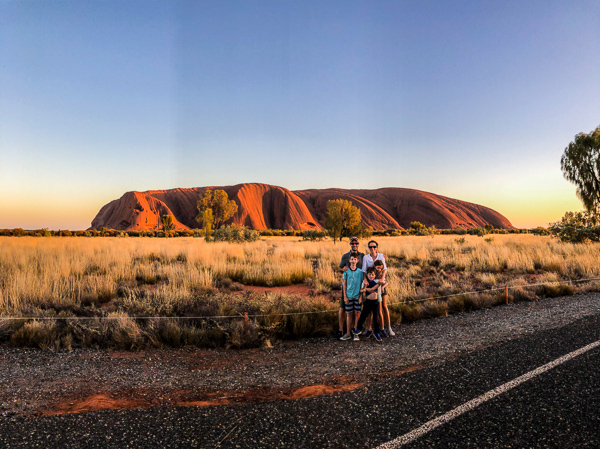
We came. We saw. We connected.**
Welcome to Red Centre! Australia is a very large country with a big empty middle and you can sense that vast solitude in Uluru. Our stay here was a quick one but fascinating nonetheless. It’s provided a lot of conversation for us as we think about what life has been like for the indigenous*** people in Australia and how European settlers really upended things for them and also how that mirrors our own country (this tied in well to Ben’s unit on westward expansion).
Indigenous Australians have the longest continuous culture. It is the oldest living culture in the world. Take that in for a moment and consider the number of civilizations that have existed. That’s an incredible achievement – 50,000 years of uninterrupted existence – despite the incredible and horrific challenges they faced. As great storytellers, they passed along their culture and animist traditions through art, stories, and dance. Thankfully and despite the attempts to thwart many of the traditions have been preserved.
When the European settlers arrived, those bastards of doom, one of the reasons that they wanted to dominate the original people was of course a desire to have their land but also they believed this ancient civilization would not survive in the modern world. Rather ironic considering the newbies were constantly failing and dying in their attempts to explore this unpredictable new land. 50,000 years of living here may refute their claim.
The aboriginal and torres strait islanders were expert hunters and gatherers as well as sophisticated stewards of the land. It’s unfortunate that throughout history we sideline (or worse destroy) cultures that although are different can teach so much. After years of tragic decisions made by the government, there is a movement to integrate the culture but now it is more peripheral and apologetic rather than infused. Anyways I’m going to stop here and I deleted a ton of what I wrote so this isn’t nearly as bad as it could have been. I also understand if you stopped reading a while ago.
Now back to the show…
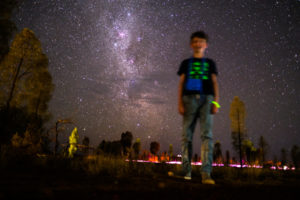
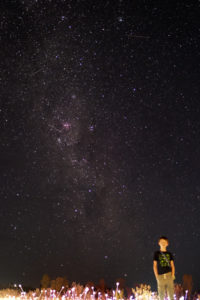
It’s incredibly hot in the Outback so everything occurs first thing in morning and again in evening. Touring Uluru at midday could be torture. So when we arrived around noon it was pool time followed by rest before our Sky Journey tour. With no light pollution (because we’re in the middle of an open space) the stargazing here is phenomenal. In fact we’re closer to the space station than to the next town, which is Alice Springs. That’s definitely a fact that the guides love to throw around. The night sky is incredible and although we’ve been stargazing for the last few months it’s nice to have a tour to really understand at what we are gazing. 70% of the stars we are seeing are the same as northern hemisphere (except upside down or right side up to Aussies) but that last 30% including the oh so famous Southern Cross is unique to the Southern Hemisphere.
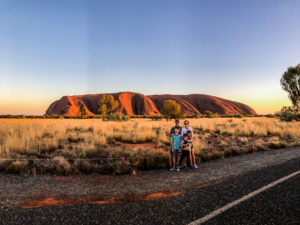
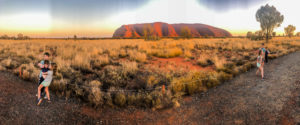
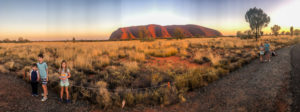
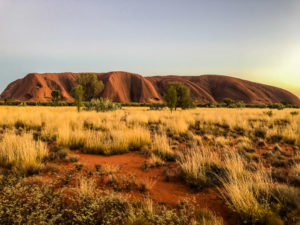
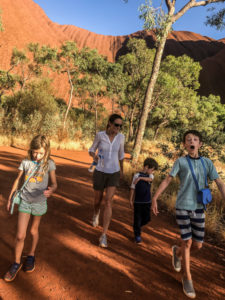
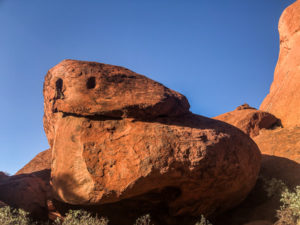
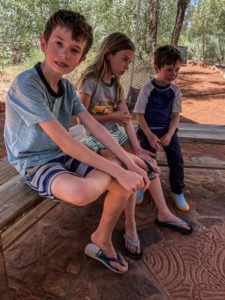
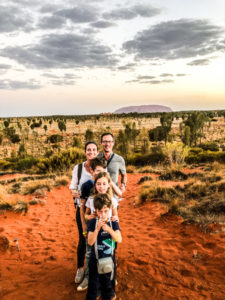
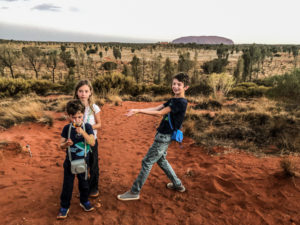
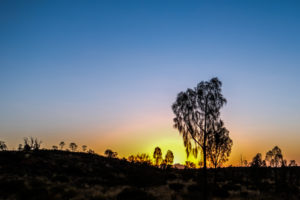
We had a very late night followed by an incredibly early morning to watch sunrise at Uluru. Our guide did an amazing job engaging the kids in the Anangu Dreamtime stories. Uluru and nearby Kata Tjuta are sacred places and are still used for ceremonies and rituals. The Dreamtime stories tell of the creation of Uluru and other traditions.
Sunrise Tour of Uluru
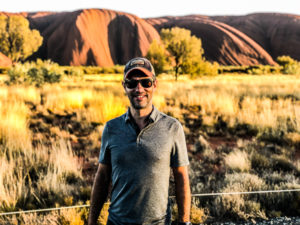
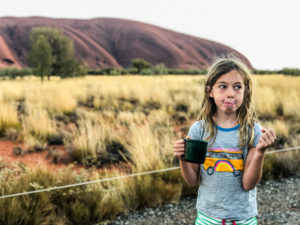
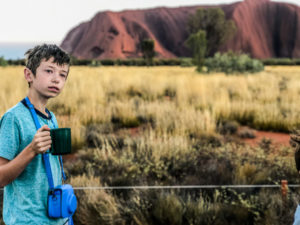
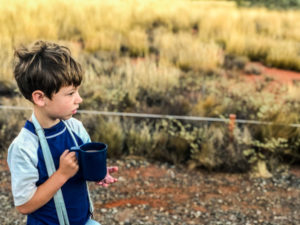
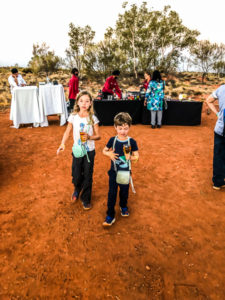
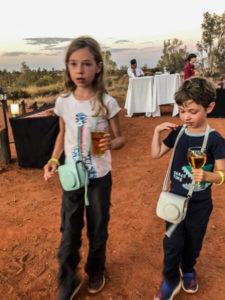
An early wakeup call to enjoy the majesty that is Uluru before the heat rolls in. But first a little brekkie.

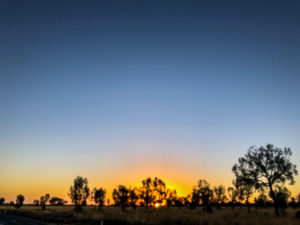
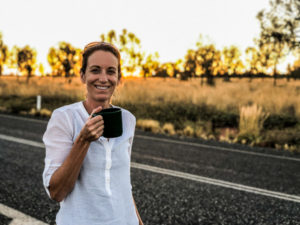
Coffee & hot cocoa to the rescue
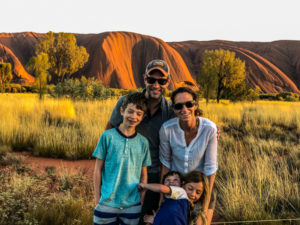
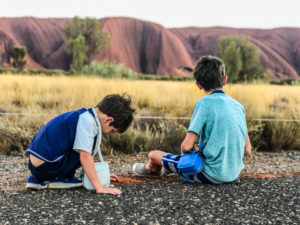
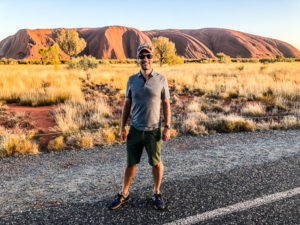
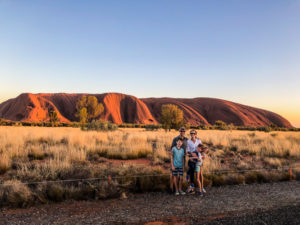
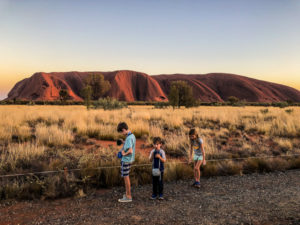

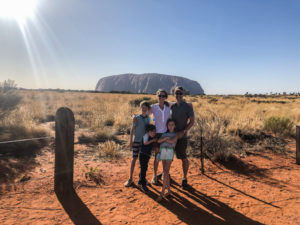
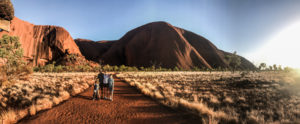
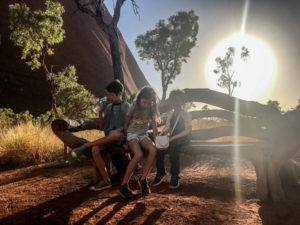
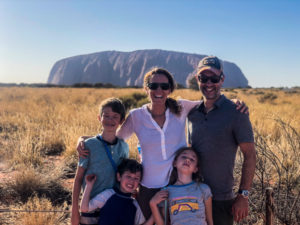
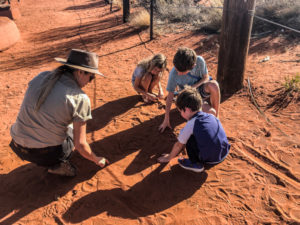
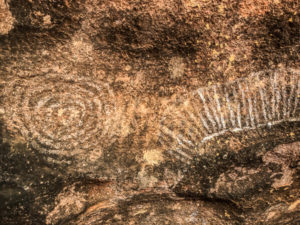
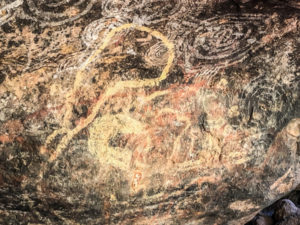
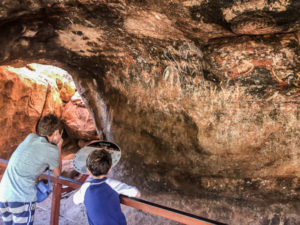
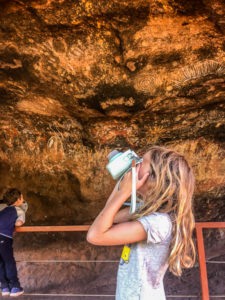
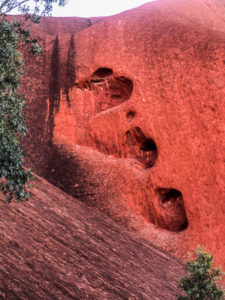
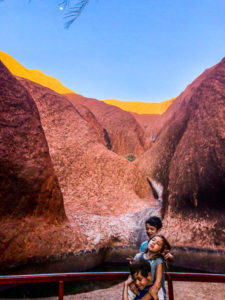
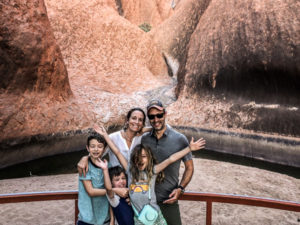
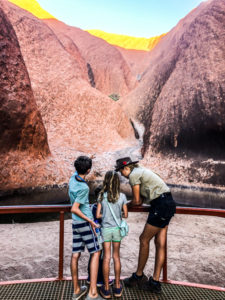
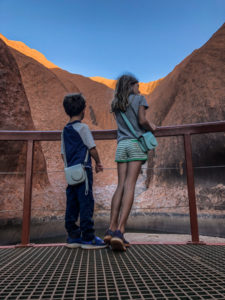
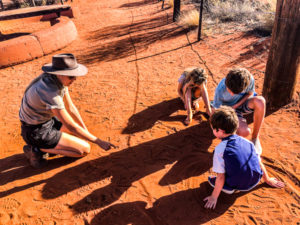
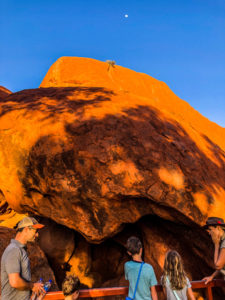
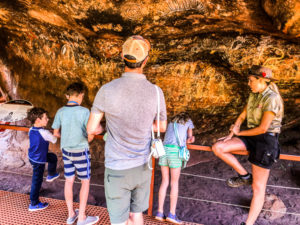

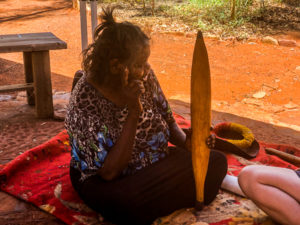
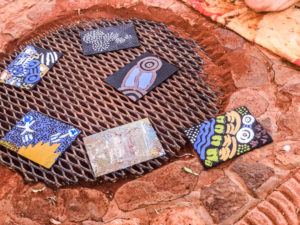
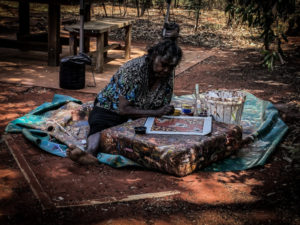
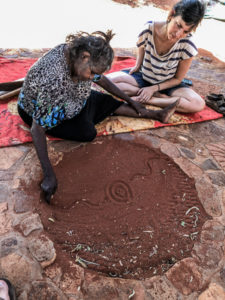
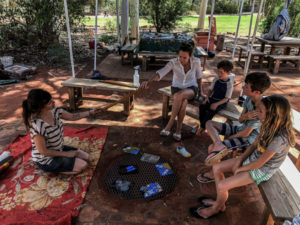
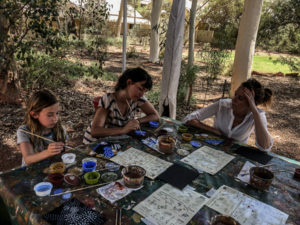
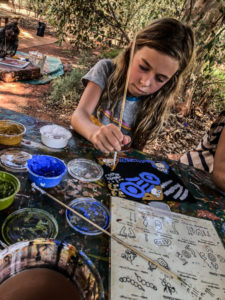
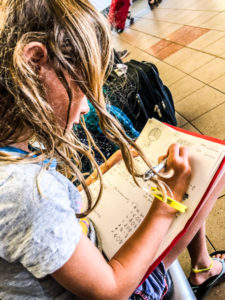
We took an art class with Millie and her assistant/interpreter. We learned more stories and traditions and symbols used in art. We then each made our own story using the symbols. We are also bringing home the painting that Millie was making in the below pic.
Field of Lights
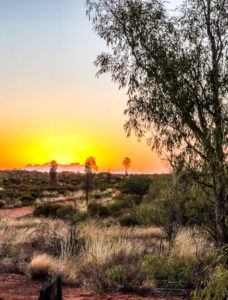
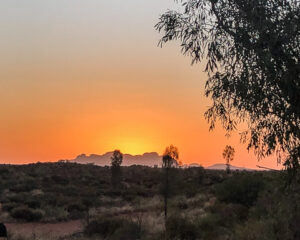
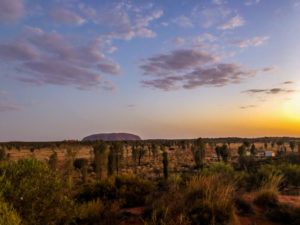
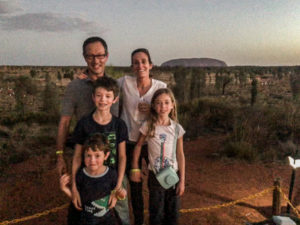
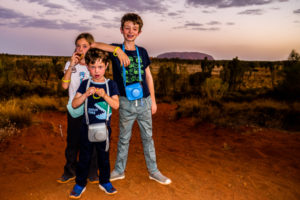
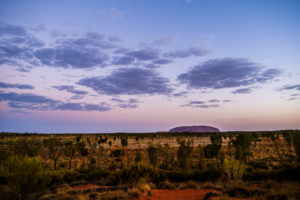
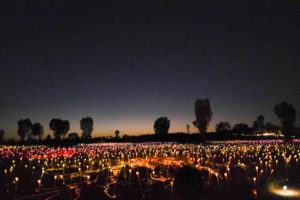
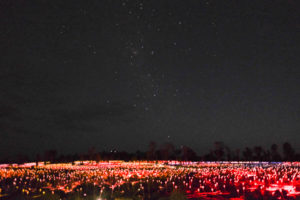
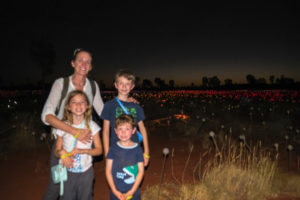
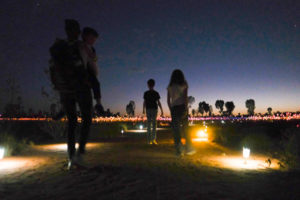
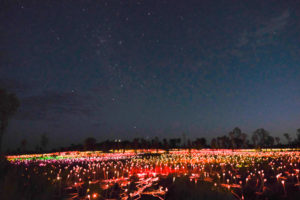
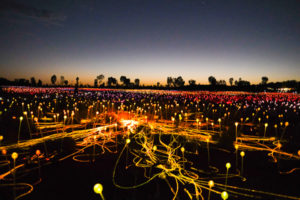
This was a cool evening. After dinner we went out towards Uluru for sunset and a viewing of Bruce Munro’s art installation Field of Lights or Tili Wiru Tjuta Nyakutjaku, which means looking at beautiful lights. 50,000 solar powered lights cover 15 acres with Uluru as a backdrop.
Onward and Upward
Like I said, this was a quick stop. Now we’re rolling again.


*Palya means hello/goodbye/ok/thank you in Pitjantjatjara, the language spoken by Anangu (the indigenous people living at Uluru)
** This is on a sign at Uluru and I rather liked it. Despite the warnings and requests not to climb Uluru many tourists continue to do it. People often get injured and the Anangu people find it disrespectful. This sign is asking people to instead connect with the spirit of Uluru rather than the desire to conquer it.
***So it’s difficult to know the most respectful name for the group of people we know commonly as Aborigines. Some find this term offensive. Some find indigenous offensive. I feel strange using these names as well. Most people prefer the name of their language group or area where they’re from.
Wow!!! Really informative. And the pictures are awesome!
Gorgeous